Best Shooting Ear Protection [Pros and Cons Guide]
Best Shooting Ear Protection
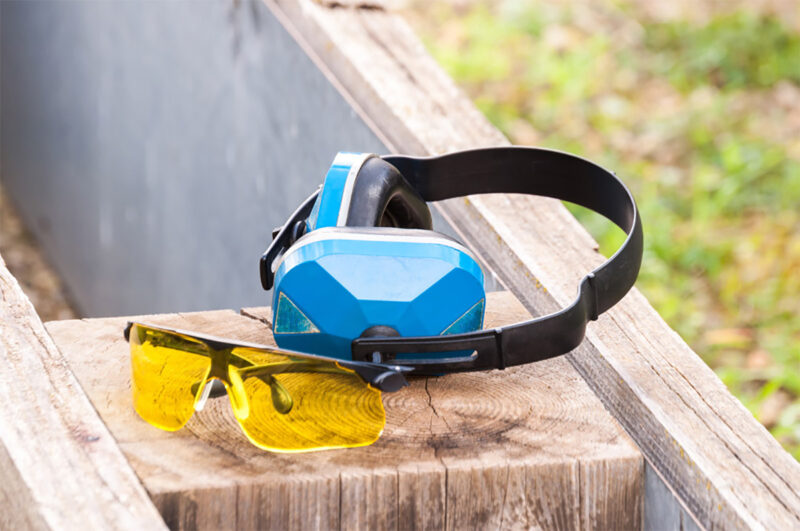
Choosing the best shooting ear protection is easy once you know each type’s basics and pros and cons. The best ear protection for shooting can vary from person to person and depends on the situation and environment. No matter what caliber of firearm you’re shooting, even .22LR, shooting glasses and hearing protection should always be used and considered basic safety PPE.
One more thing to note when you’re shopping for hearing protection (aka “ear pro”): the higher the NRR, the better. NRR is the Noise Reduction Rating, normally ranging from 21 to 33, with 25 or higher being the best NRR for shooting.
Here are the main types of the best hearing protection for shooting and what you can expect from each one.
1. Passive Ear Muffs
These are simple ear muffs that cup the entire ear and are made of thick foam or similar materials to block noise. Your winter wonderland earmuffs don’t provide any NRR, but the basic design is the same.
Pros:
- Usually a high NRR
- Simple to use
- Generally less expensive than electronic ear protection
- Durable and long-lasting
- Doesn’t require any batteries
Cons:
- Bulky and can be uncomfortable with headwear like helmets and hats
- Blocks out ambient noise, reducing situational awareness and communication
- Can be uncomfortable in hot environments
2. Electronic Ear Muffs
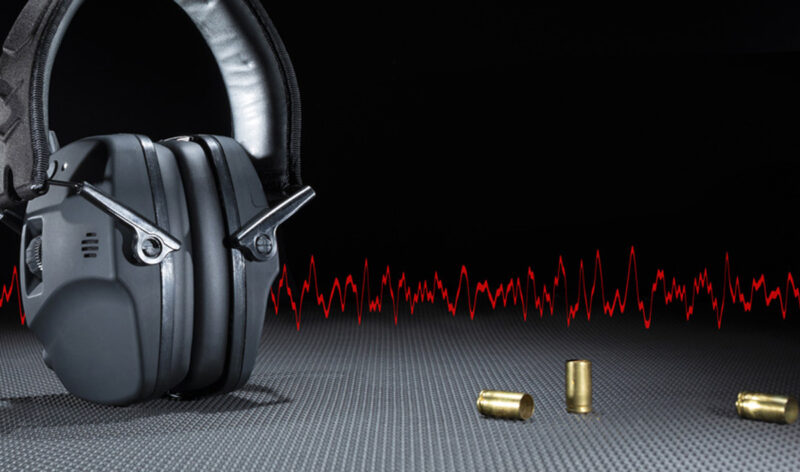
Using the same design as passive muffs, electronic ear muffs have adjustable speakers that allow you to hear sounds around you. When the noise level hits a certain threshold, they automatically switch to block sound.
Note: these are not the sort of noise-canceling headphones for use with phones and other personal devices, which do not provide NRR at safe levels for shooting.
Pros:
- Amplifies sound up to a certain level of decibels (dB)
- Automatically blocks loud noises over a certain level of decibels (dB), usually 85dB or higher
- Ideal for hearing range instructions and maintaining situational awareness
- Options include models that are wired or have Bluetooth for connectivity to other devices
Cons:
- Higher cost than comparable passive ear muffs
- Batteries required
- Must be familiar with all features and controls before using
3. In-Ear Protection (Earplugs)
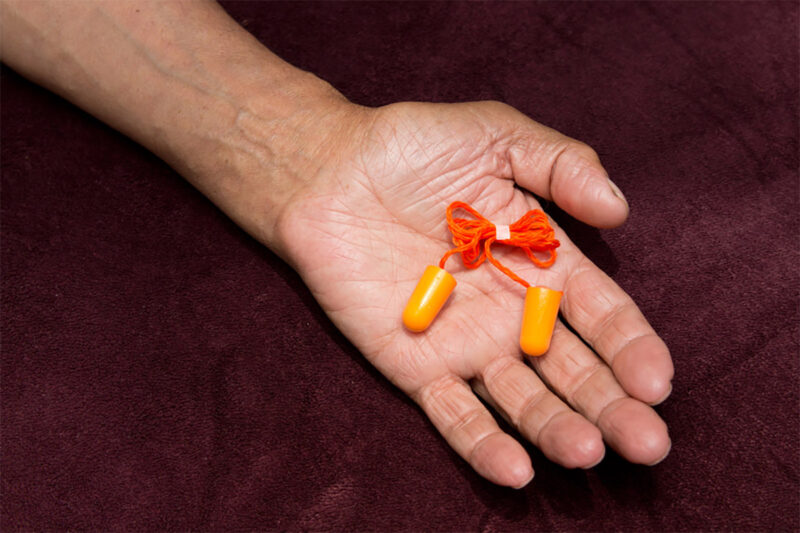
This is passive hearing protection that goes directly into the ear canal. The most common designs are disposable foam plugs, but reusable plastic designs are also available. There are also custom-molded options on the market for maximum comfort.
Pros:
- Typically less expensive than any other options
- Provides a good NRR
- Foam plugs are “one size fits all” when used properly
- Lightweight, compact
- More comfortable than muffs in hot environments
- Won’t interfere with headwear or other headgear
Cons:
- Must be thrown out or carefully cleaned before reuse to prevent ear infections
- Need to be properly inserted into the ear to provide protection
- May cause inner ear irritation
4. Electronic In-Ear Protection
This is the same concept as standard earplugs, with the added benefits of electronic earmuffs without the bulkiness.
Note: these are not the sort of noise-canceling earbuds for use with phones and other personal devices, which do not provide NRR at safe levels for shooting.
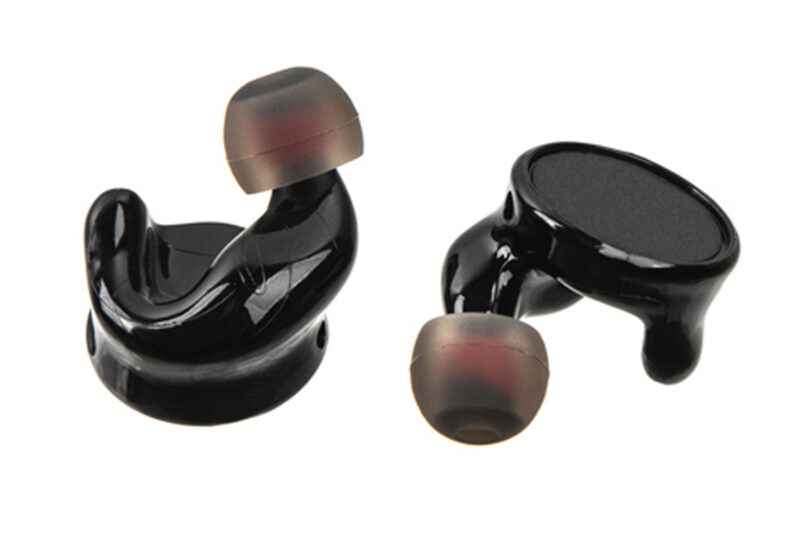
Pros:
- Amplifies sound up to a certain level of decibels (dB)
- Automatically blocks loud noises over a certain level of decibels (dB), usually 85dB or higher
- Ideal for hearing range instructions and maintaining situational awareness
- Options include models that are wired or have Bluetooth for connectivity to other devices
- Lightweight, compact
- More comfortable than muffs in hot environments
- Won’t interfere with headwear or other headgear
Cons:
- Must be carefully cleaned before reuse to prevent ear infections
- More expensive than passive earplugs and many passive ear muffs
- Batteries or recharging required
- Must be familiar with all features and controls before using
5. Combination Ear Protection
This simply consists of combining in-ear protection with muffs. This can be any combination of passive or electronic hearing protection listed above. In addition to those same pros and cons of each type above, there are a few extra considerations to take into account.
Pros:
- Highest possible level of NRR and hearing protection, especially when using passive muffs and ear plugs
- Ideal for indoor ranges and/or large-caliber firearms
- Especially helpful when using muzzle brakes that increase decibels (dB)
Cons:
- Very difficult to hear range commands and ambient noise, which reduces situational awareness
- Can be uncomfortable over long periods, especially in hot environments
- Higher cost due to purchasing two types of protection
Now that you know the pros and cons of the five main types of hearing protection for shooting, you can make the best choice based on your needs and intended use. Don’t be surprised if you find that you need two or more different types of hearing protection to be adaptable to different shooting scenarios. You can find hearing protection and a full selection of everything else you need in our Range Day Gear collection from GunBroker today!
Related Articles: 5 Items That Should Be In Your Range Bag
Related Videos: The Ultimate Holiday Gift Guide for Hunters
Related Articles: 22 Gun Accessories Shooters Need in 2024